

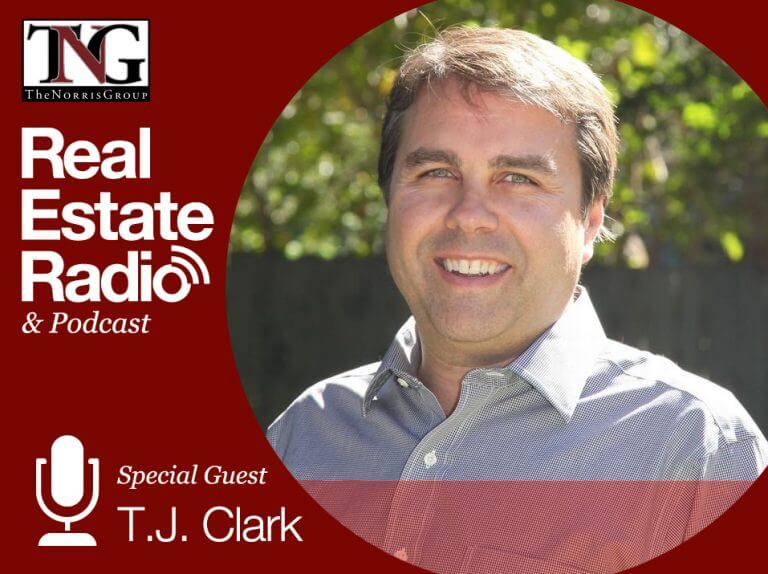
Aaron Norris is joined again this week by TJ Clark. T.J. is with TurnKey Rentals. Prior to co-founding them, he was the president and CEO of Limos.com, which expanded globally and launched partnerships with companies like Orbitz, Sabre, Concur, Delta Airlines, and OpenTable. Prior to that, T.J. was V.P of Operations at IAC/InterActiveCorp, which included Expedia, Hotels.com, Ticketmaster, LendingTree and Match.com. He was also part of Hotwire.com on their startup team back in 2000. As far as TurnKey Rentals goes, they are one of the largest full-service property management companies in the U.S. It is also one of the fastest growing start-up companies in Austin, Texas and has raised more than $20 million in funding. Original investors include the likes of Expedia, Zillow, Hotwire, Glassdoor, and HomeAway
Episode Highlights
-
- What service does TurnKey Rentals provide to renters?
- What are the benefits and downsides of having a property manager handle rentals vs. doing it yourself?
- What are some of the technological gadgets TurnKey includes in their rentals that help improve the experience?
- Which markets could see the best returns on investments and where investors would perform the best?
- What are some precautions TurnKey takes to avoid fraudulent customers, and how do they deal with bad tenants?
- What, according to TJ, are the important stages for choosing the right guests?
- What does the future look like for vacation rentals?
Episode Notes
Aaron and TJ began the interview by discussing the reality of infrastructure and the major players. As an investor, Aaron thinks having a vacation rental is a wonderful idea, but then you don’t think about how you will manage all the texts you will get regarding different sites on people wanting to book. Aaron said he could only imagine how great it would be to have a management company do all that for you. Aaron asked TJ about TurnKey Rentals and the service he provides to homeowners. TJ said in the market space, if you are a homeowner there have traditionally been two ways for you to go if you want to generate short-term rental income on your property.
If you are a more casual owner and only want to rent a couple times a year, you can go onto any of the big sites like Airbnb and HomeAway to create a listing. You can get online very quickly and start making money. If you do this 2-3 times a year, it really is not that hard. However, if you have a more serious approach to this and want to rent 15 times a year or more, you are essentially running a hospitality operation for guests. You are hosting frequently and may do it remotely if you do it out of town. This makes life a lot harder since you would probably also have a day job on which you want to stay focused. This is typical for the owners that TJ meets. This is where they start saying they could really use a hand in this.
Traditionally you could go to a local property manager. What this looks like is about 25 vacation rentals, although less than 5% of property managers across the U.S. have more than 100 rentals. Less than a handful have more than 1,000. What you have is a property manager who will want to charge you somewhere between about 30-50% of the rental revenue you make on your property. Part of it is driven by them not being technology-focused, and these are traditionally businesses that cannot take advantage of scale. If you look at the way Amazon is approaching the industry, you do not see this in these very small mom and pop type companies. This is a big downside if you are a renter.
On one side you have to do it all yourself, and in this case it will be very difficult to do it remotely. It will be hard to make the kind of income that you could if you had somebody who was really focused on marketing, getting back with guests quickly, and managing your cleaners so you have good guest reviews. On the other side you could go to a property manager where they wipe away a big part of the upside of renting in the first place. Their services are probably not making you the most revenue that they could since they are not using technology or have a significant staff.
At TurnKey Rentals they think there is a better alternative to this. They do 18% commissions instead of 30-50%, and they think they will still be able to make money doing it if they scale across the U.S. This way they can get scale advantages by using technology. They also think the distinction between renting on your own and going to a property manager over the next five years will really blur. There will be all these technology solutions that will be made available to the owner that will really make their lives a lot easier. There is development in the area, but you will see things coming in such as noise monitoring on the property as well as photo inspections of the property. There could also be digital locks and ways to dispatch handyman, and remote management will become a very beneficial thing for these owners.
When Aaron stayed in Palm Springs a couple weeks ago, it was the very first time he had stayed at a property that TJ managed. Aaron said it was a pretty fast interaction, and he asked TJ if he was working with someone on his team when booking. He asked if they manage the booking process as well, or if this is only the homeowner. TJ said they do manage the booking process as well. They take care of the whole process for the owners; so their mode right now with working with the owners is they will hand over to them 100% of the management property and completely outsource it. This starts with the creation of listings into the big channels: HomeAway, VRBO, Airbnb, Booking.com, and Trip Advisor. Through these you will reach about 95% of the guest audience and demand.
You will actively set rates, similar to how a hotel changes rates. Everyone who stayed in hotel paid a different price. That price depended on when they booked and how full the hotel was at the time. The same thing can be done in vacation rental management to maximize the revenue you will make. Responses to guests needs to happen within 5 minutes if you are going to be the first one responding to those guests and getting more bookings. You want to have a secure way for the guests to access the home easily, so digital locks are essential on rentals. These locks would provide a unique code for every guest stay that only works when they are supposed to be there. After check-in time, the code goes live, and it goes away after check-out time.
If you need to send a plumber or a handyman during the stay, they need to have a one-time use code that goes away. This way it is very secure for the guest and the owner. You can have the guests also have this great experience where they can go right to the home if their flight is late. This way they are not getting stressed out because they would have stopped by the property manager’s office instead of having to fumble for the key or wondering whether it will even be there. These are all the little pitfalls that technology can really iron out and make it a much more reliable and convenient experience for the guests and much easier management for the owner. This is where they are really trying to transform the vacation rental industry on this fulfillment side of the space.
TJ said at TurnKey they have about 40 in-house reservation specialists. Aaron said he loves the digital lock, and all the rentals he had stayed in before did seem more like mom and pop places. They showed up, did a walk-through, and showed him where everything was. He told TJ at TurnKey they are very organized. They had their own app and book on how everything worked. Aaron had to call because the pool equipment wasn’t working. When he called the number, the cell reception in the area was bad and his call was dropped. When he called back, the people on the other end knew his call was dropped and put him back in line.
At TurnKey, they have a team out in the field at any time working all the rentals that are there. These are people who are called when needed and not necessarily on staff. They have an app and technology that handles all this. When you open the door to your place, it will be clean and the appliances working, and TJ does not think this is too much to expect for a vacation rental. If you do need help, they have 24-hour help too. He said these are ground and fundamental items for travelers that should be in the unique and amazing homes in which you can stay. This is really the experience they are trying to bring to the guests.
They want it to be local, so they have a local team there that can help you with running these guest support and field services. The name of the game is to try to prevent mistakes from happening. If a mistake does happen, you are there to recover it. A lot of what they do is inspections and how they are conducted on the critical working items and cleanliness of the rental before the guests arrive. They consider how they can help them if there is an in-stay issue. They have a local team, and they work with hundreds of vendors in each of the markets. This way they can pull off a repair quickly and efficiently, no matter what happens, so the guests can have fun on their vacation.
TJ said listing on sites such as HomeAway, VRBO, and Airbnb, take about 12-15% of the booking total. The industry norm in a typical vacation rental transaction is that certain items will be paid for by the guest, and other items will be paid for by the owner. Typically you will see that the guests will pay the occupancy taxes, like in a hotel. The guests will pay the cleaning fee and a security deposit, or with TurnKey a one-time property damage protection program. This means they will pay $49 and get $3,000 worth of coverage during their stay if they break something. This is good for both the guests and the owner. Guests do not like security deposits, and this is the number one inhibitor of bookings on the property.
The owner would typically pay a credit card fee to Visa or MasterCard, then after that they would pay the property management fee. This would pay to keep basic supplies stocked in the rental-like property. One thing guests appreciate is having starter supplies of shampoos, detergents, and laundry equipment since this helps them get off on the right foot and have a more hotel-like experience. A lot of these places have cooking supplies and utensils, and there are typically things left over from prior tenants. This could include coffee, salt, pepper, etc.
Aaron wanted to get an idea of the actual cost and net revenue a real estate investor might make if they decide to go this route. With the property managers, it is a big deal that they are paying 30-50%. Their commission is 18%, so after the credit card fee their owners yield about 79-80% of the rent they charge. This is a good proposition, and usually long-term property managers charge about 10% or less. They are in the low end of the industry norm.
What you really want to think about as an investor is where to go in a city. If you are going to use a short-term rental, there are very clear areas where short-term renting will yield a much higher return than long-term rentals. There are areas where long-term rental will yield better than short-term rental, specifically in more residential areas. What this normally translates into is if you are going on a vacation, you would need to decide where you want to stay. Do you want to stay in the city, or very unique neighborhoods that are popular with guests? Those types of areas will yield better on a short-term basis than a long-term basis from an investor standpoint.
Aaron asked TJ if he sees any properties with better ROI for investors. TJ said large homes generate a disproportionate share of the revenue, so three bedrooms and up generate about 70-80% of the rental revenue across the country. This makes sense because you cater towards larger groups and families, and they share the costs. It is much more economical than getting the number of hotel rooms you would need to house your guests. It is an infinitely better way to stay with friends.
Aaron said in his experience it is more fun to do it this way. Hotels seem so clinical these days, but you are not competing with hotels. This is very important because hotels do not offer that type of accommodation. Aaron asked TJ if there are any markets, as far as ROI concerns, that he sees investors doing better in when it comes to this. TJ said there are hundreds in which you can do well, so he would start with this. Within these hundreds in the U.S., there are some that will be better where properties are more of a value to buy and you can expect appreciation.
TJ said Nashville is an up and coming city that he would highlight. California prices are already generally high. They may appreciate, but not as much in the period of time you hold the property. The NAR states that the average vacation rental will be held by an owner for 7 years, so you want to be thinking about whether you will be in an appreciating market in those 7 years. Sweet spots are in metros where you have neighborhoods that are turning. In Austin, for example, this was the east side of town. When you see the best restaurants going in and the coolest night clubs and fun areas to visit where property values are still low. This is a nice indicator of what will happen over time. It is also a great indicator of where guests are going to want to stay. They will want to stay in the hip parts of town. TJ said this is where he will look for scenes within these markets.
Aaron has been looking at the different websites, such as VRBO vs. Airbnb. Depending on the property and with TurnKey’s experience, either of these sites would be very different from a different demographic. Bruce Norris, for example, has used VRBO but has never used Airbnb.
Aaron told TJ that from a management perspective he has a lot more experience in this. He asked him if he has ever turned people down as well as what he looks for in a good or bad tenant. TJ said this is a super important consideration. You want to take care of your property and do not want it to be damaged. You want to be a good neighbor and not scare people away. You want guests who are going to be respectful and not noisy or cause you to have problems with the neighbors that could jeopardize you continuing to rent.
TJ said there are two important stages in picking the right guests. You have to identify them and make sure they are who they say they are. Airbnb provides this as a service, so everyone who books from here has been identified. You also want to know their age. On HomeAway and other sites, you can use services to identify who they are. For a while TurnKey used a service called Jimeo to identify their driver’s license. Now they use a service that goes through credit information. It is just like when you log into your bank account, it will identify who you are through a series of questions. This will provide the match to see if their credit card actually matches who they say they are. At TurnKey, they will not accept bookings where they want to use more than one credit card. This way they can avoid risk of fraud more easily. You do not want to accept a booking that says they are coming in for a bachelor party. They will ask the guests what brings them to town, and they will tell you a lot. TJ said most of the people who come in are good tenants. You need to be careful because there could be 1% of the guests who are fraudsters, so you want to be careful you do not treat all your guests like they are fraudsters.
Aaron asked what fraud looks like in the vacation rental space. TJ said fraud would be a stolen credit card, and many use a stolen credit card to try to stay in the residence. By far the larger problem you want to handle is to make sure your guests are a good fit for what you are offering. Usually if you are upfront with a guest and are coming in to have a party, it is not the place for them. They will tell them upfront that they will find out about it, and it will be a bad experience. This really works.
If you are coming in with a group of friends and you know you will have a bachelor party and get kicked out as a result of it, you do not want to stay in that home. This is why monitoring what guests do through the ringing doorbell decibel level monitoring and having private security contracted for your rentals is essential and works. You bring all of these factors together; and in the case of TurnKey they manage material incidents of damages to less than 3 cases in every 1,000 rentals.
Aaron asked TJ how he ends up hearing about bad tenants and what he does about it. TJ said they reach out to them. If they have passed all the initial pre-arrival; but they come to the house and are really noisy, TurnKey will pick up on this through decibel monitoring. They set it so that they receive the alerts before the neighbors, and they try to set it so that the neighbors are not the ones notifying them. They will send guests a text message saying they received a report of excessive noise, and this usually does the trick. Most people are respectful in that they close the back door and come in from outside on the porch. The noise goes down, and if it does not stop it escalates. TurnKey will then pick up the phone and explain to them why they need to be quiet, and this usually solves it. If this does not solve it, then they send private security to deal with it.
They only have to remove guests in very rare cases, but most people are good tenants. If they are making too much noise, they stop when told.
Aaron asked TJ if the place he stayed had a decibel monitor. TJ said there was one in his place. What the device does is it measures the ambient noise in the room. If it goes up to a level of 90 decibels, it will send you a text telling you to be quiet. However, it does not record any conversations, just the overall noise level. This helps you so that you will be able to stay in that rental and know if you are being too loud. This way the neighbors won’t complain or call the police on you. This is an issue that could jeopardize you being able to stay there. TJ said it was located within the Android tablet, and the monitor is part of the setup. They have it here as well as in other locations around and outside the home. This helps them comply with local regulations, keep the homes in good shape, and make sure the guests can enjoy their vacation.
Aaron asked TJ what the future is for vacation rentals, to which TJ said they are not going away any time soon. He went to an Airbnb open this year where he met a couple who really exemplified what is happening with the owners who are using short-term rentals as a way to supplement their income. They were retired teachers who lived in California. They said once they started renting on Airbnb, they have been able to use that money to go travel. They could not do this before on a fixed income. This made TJ think how they would be stuck in their home as retirees on their fixed income and living much less of a life if they were not able to do this. This is something that is not going away in the future, nor should it.
What should happen is that it happens in a respectful way where they are not bothering their neighbors. You should not have the city telling you how often and where you can do it. He thinks this will happen and technology will play a big part of the solution in making it respectful. Whether you need to pay taxes or obtain a permit, TurnKey is supportive of these things. This is where they think they future is and where technology is going to help. Good behavior will help as well, and this is what the people at TurnKey wake up thinking about every day.
For more information and to connect with TurnKey, you can reach them anytime at www.turnkeyvr.com. You can book a rental in any of their markets or call them at 1-888-512-0498 to speak to a live agent who can connect you to a general manager in your area.
For more information about The Norris Group’s California hard money loans or our California Trust Deed investments, visit the website or call our office at 951-780-5856 for more information. For upcoming California real estate investor training and events, visit The Norris Group website and our California investor calendar. You’ll also find our award-winning real estate radio show on KTIE 590am at 6pm on Saturdays or you can listen to over 170 podcasts in our free investor radio archive.